The Armour I Wore for Twenty Years
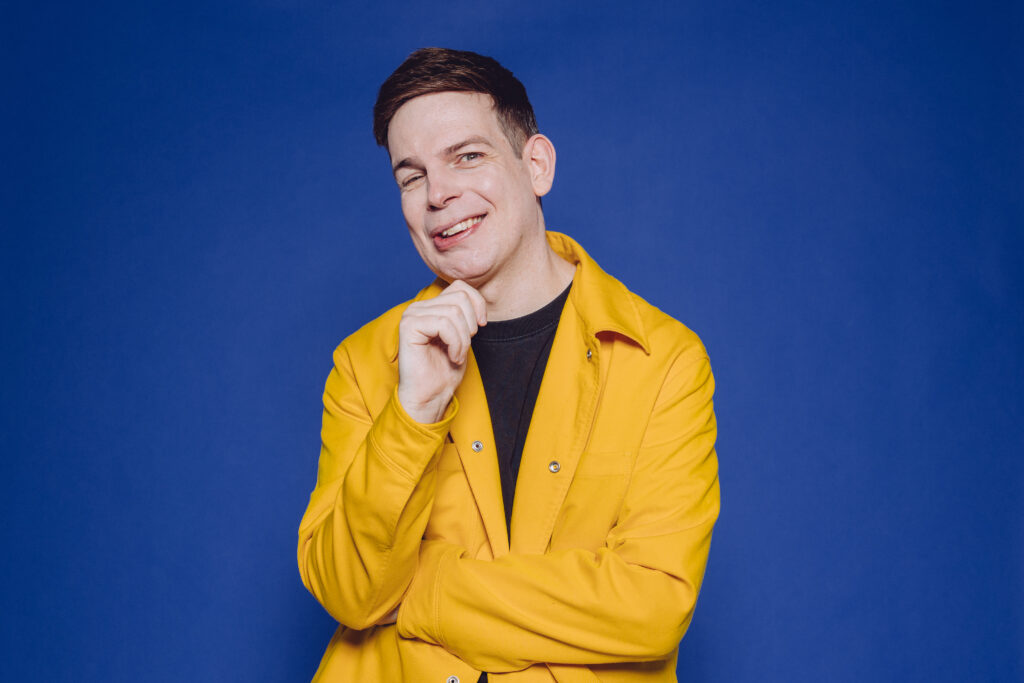
I was 18 when I woke up and half my face didn’t work.
I lay there trying to make sense of what I was feeling – or rather, not feeling. The left side of my face had simply stopped. I called my mum, she told me I’d probably slept on it funny – to “give it a rub” – “It’ll come back”.
It didn’t come back.
Bell’s Palsy, they told me. Facial paralysis. In my case, permanent.
I worked at Dixons at the time. I didn’t go back for months. When I eventually did, I made sure nobody would have to look at me. I chose the warehouse over the shop floor, behind the scenes, and out of sight. I built my whole re-entry around one quiet, unspoken question… how do I exist here without being seen?
And somewhere in that question, I made a decision I didn’t realise I was making.
I stopped smiling.
Not gradually – deliberately. If I controlled my face, I controlled what people saw. It felt like the only thing I could control. So I held it, kept it still, kept it safe – And I got very, very good at it.
I wore that armour for twenty years.
Through building a business, leading a team, and standing on stages accepting awards for work I was genuinely proud of. The armour came everywhere – it was so familiar I stopped noticing the weight of it. But I felt the cost of it – in the energy it took to hold everything in place, in the exhaustion I couldn’t explain to anyone because from the outside everything looked fine.
The word ‘smile’ could undo me. In a professional setting, after winning a new client, someone once told me I could at least smile… look happy about it. I remember the specific effort it took to stay composed, to perform fine, and keep the mask exactly where it was.
I didn’t know I was performing – I thought I was coping.
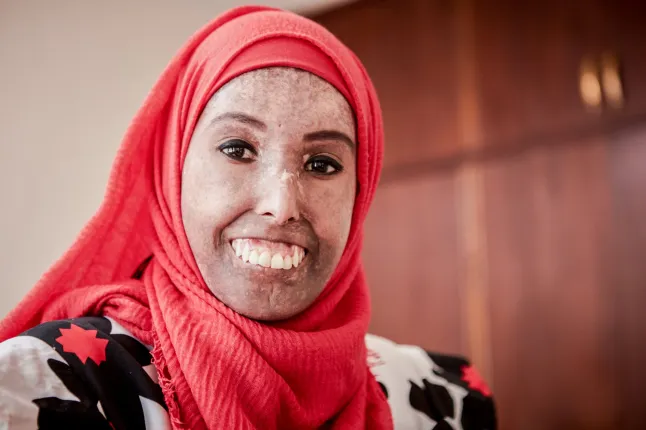
A few days before 5th February 2021, I had interviewed Farah Khaleck online. Farah had scleroderma – a condition that affected her appearance, her speech, and her mobility. She was warm and courageous and quietly extraordinary, and she had agreed to go live so others could hear her story. She inspired me in a way I didn’t have words for yet. The way she spoke about her life, her face, her decision to be seen – I left that call different from how I arrived.
That day, at the end, and when it was just the two of us, I told her my story. She encouraged me to speak out too. That I had to tell it to the world.
On 5th February, she returned the favour. It was time for her to interview me.
That moment changed my life.
I went home that night and recorded a video. Not on a professional platform, nothing carefully crafted. Just me, telling my family and friends something I had hidden since I was 18. I posted it on Facebook and went to bed terrified.
I woke up at 8am to over 50 comments and likes.
People who had known me for years and had no idea. A former colleague who said she’d never noticed – not because she didn’t care, but because she was too busy being consumed by my humour and my presence. Someone who had been diagnosed with the same thing in their twenties and had never said a word to anyone either. People who simply wrote “I love you. I love your face. That is all”.
The thing I had spent twenty years performing normal to hide was met with nothing but love.
Farah passed away on 22nd December 2023. She never got to see how far the ripple went – the leadership speaking, the conversations, the channel 4 tv show, the people who have since told me their own version of the same story. But this is her legacy – she used her voice for good, and she gave me permission to use mine. Every time someone decides to stop hiding, she is in that moment.
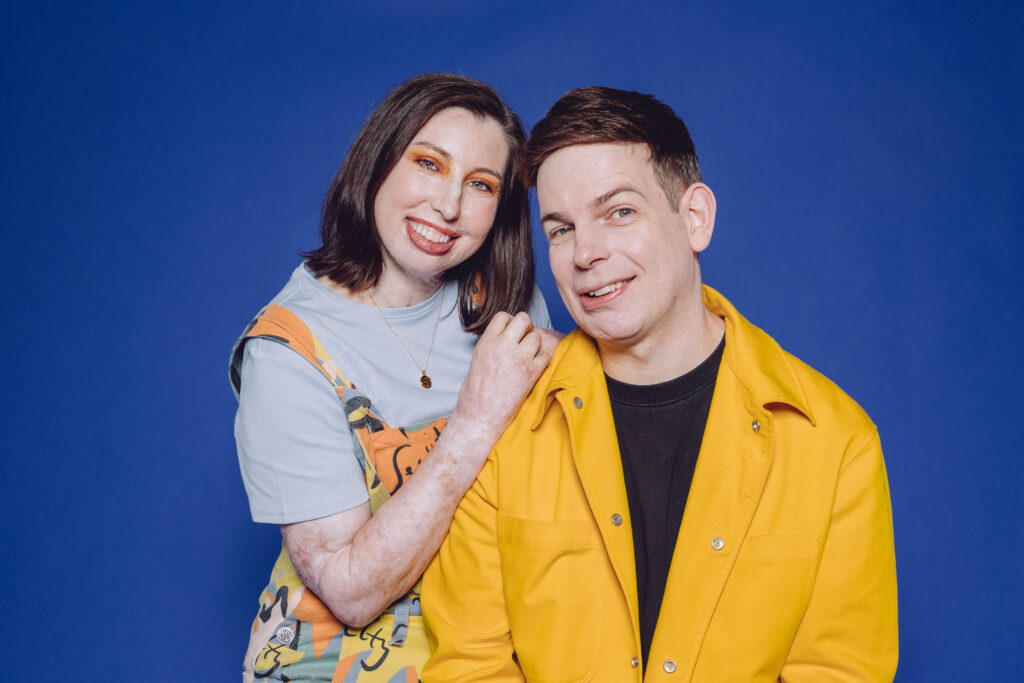
Last month I was at a photoshoot with Changing Faces UK for Face Equality Week. I spent the day with Catrin Pugh – someone with her own remarkable story of living with a visible difference. That story is hers to tell, not mine. But being in a room with her took me straight back to that call with Farah. The same courage, and the same quiet power of someone who has decided to be seen on their own terms.
Farah gave me permission to stop hiding. Catrin reminded me why I never want to go back.
The pressure to perform normal does not belong only to people with a visible difference. Most people reading this know exactly what it feels like to hold something together on the outside while something quieter is happening underneath. To keep going. To perform fine. To tell people you’re just busy, just tired, just a bit stretched – because taking the mask off feels like a risk you cannot afford.
The difference, in my case, was that my mask was visible to everyone but me.
We all have a voice. And we owe it to people like Farah to use it.
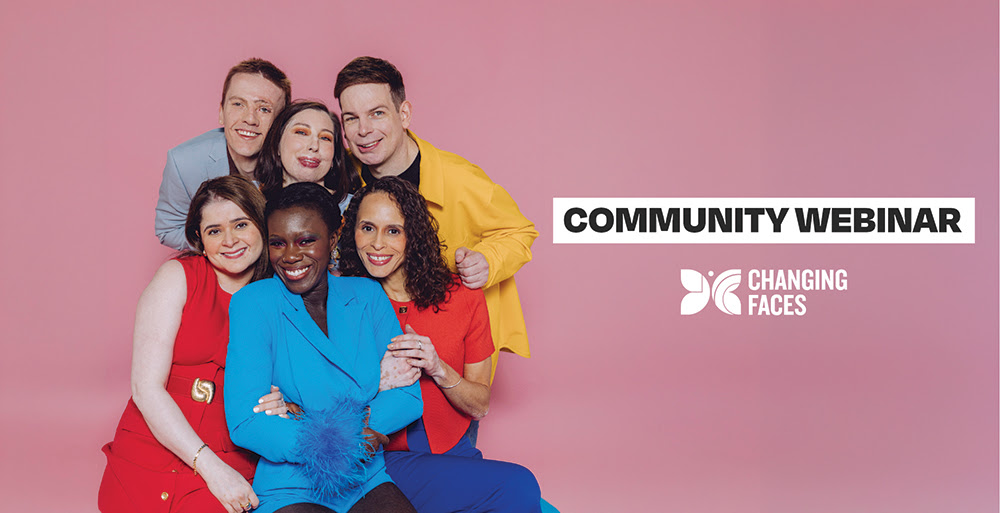
This week is Face Equality Week – a moment to recognise that every face deserves to be seen, exactly as it is.
If any of this has landed for you, Changing Faces UK are hosting a free community webinar on Wednesday 13th May at 6:30pm. It’s a space worth being in. You can register here.

Gary Parsons
https://garyparsons.ukGary Parsons is a Leadership Speakerand Business Mentor on a mission to redefine success in leadership. Drawing on his powerful SELF Framework, Gary helps leaders prioritise their own wellbeing because when leaders thrive, their teams do too. Through his talks, workshops, and mentoring, he equips leaders to set boundaries, elevate wellbeing, and lead with intention - proving that Selfish Leadership isn’t a weakness, it’s a strategy for sustainable growth. Reach out to explore how Gary can help your leaders perform better by putting themselves first, strategically.