75% of Leaders Know – Fewer Than 5% Act

I was standing at a podium at the East Midlands Chamber Business Awards in 2017, accepting an award for a business that had grown by 250% that year.
From where everyone else was sitting, it looked like success, and in many ways it was. The business was real, the growth was real, and the award was real.
What was also real, and what nobody in that room could see, was that I was exhausted in a way I didn’t have the words for. Not tired, not stressed. The kind of exhaustion that sits underneath everything, that follows you home, that is still there in the morning when you have slept eight hours and woken up already drained.
Around that time, I was diagnosed with severe depression, I was put on antidepressants, and I started therapy. Not instead of the success – alongside it. Both things were true at the same time, and for a long time I could not reconcile them.
At the time, I was Managing Director of a growing business. I had a team, clients, targets, a reputation I had spent years building. There was no version of events in which I stepped back – so I didn’t. I kept going… but I kept going differently – I got the help I needed, and made a deliberate choice to prioritise my own wellbeing, intentionally, in a way I never had before. And I began, slowly, to build the business in a way that was not entirely dependent on me being the one holding everything together.
That is where Selfish Leadership started. Not in a book, not in a framework, and in a moment of reckoning where I had to decide whether I was going to keep sacrificing myself for the business, or start leading it sustainably.
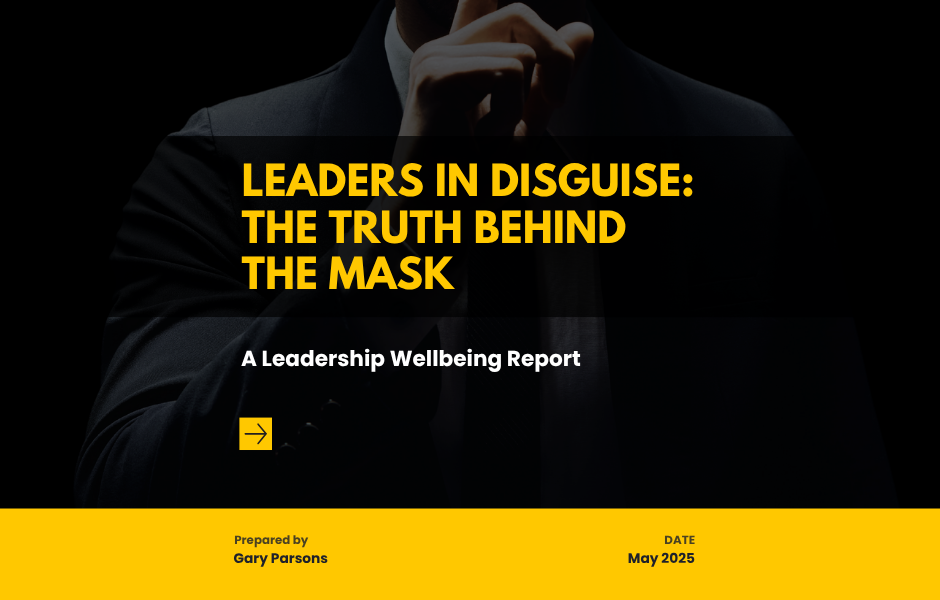
Last year, I published research with East Midlands Chamber of Commerce, where 338 leaders responded to key questions. The results that stopped me were these:
-
- 75% said their wellbeing directly affected the quality of their decisions.
- Fewer than 5% said they actively prioritised it.
Read that again… Three in four leaders know their wellbeing is affecting how they lead. Fewer than one in twenty are doing anything about it.
The theme of Mental Health Awareness Week 2026 is Action. And that gap, between knowing and doing, is exactly why it matters.
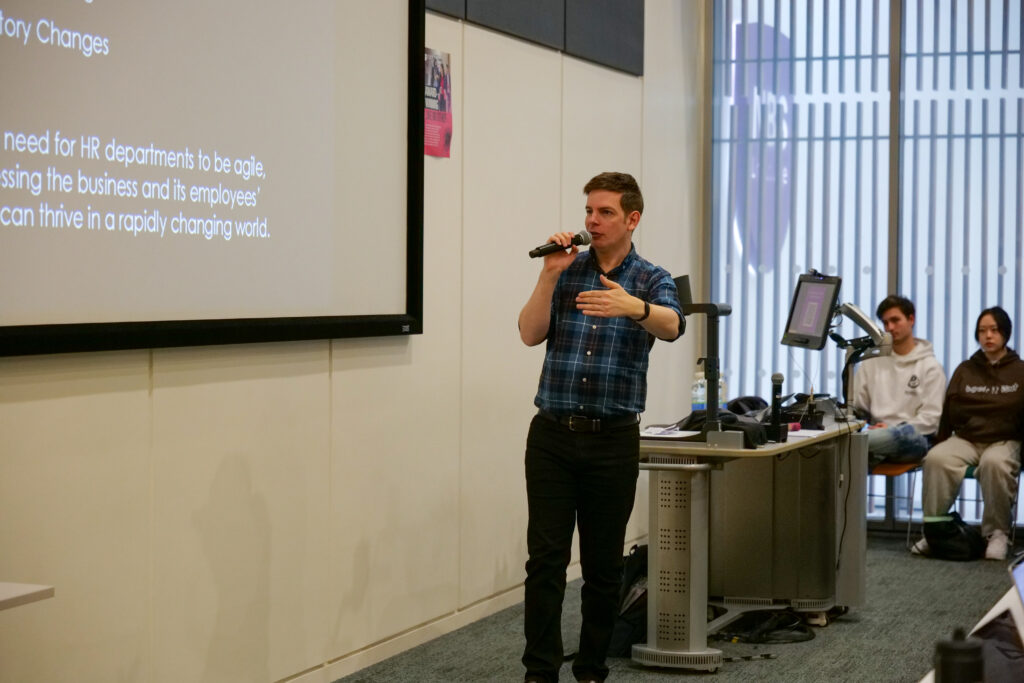
I understand why leaders do not act. I was one of them.
When you are in the middle of it, the logic feels sound. You tell yourself you will deal with it after this quarter. After this project, after things calm down, you believe it, because the alternative – that things will not calm down, that this is the pattern and not the exception – is harder to sit with.
The 75% are not ignorant; they aren’t lazy, they are doing what high-performing leaders do – they are pushing through, holding the line, keeping it together for the team. They are running on discipline and habit and the quiet fear of what happens if they stop.
But here is what I know now! The decisions you make at 70% capacity are not the same decisions you make at full capacity. The patience you have for your team at full capacity is not the patience you have when you are running on empty. The thinking you bring to a difficult problem when you are rested is not the thinking you bring when you have been going flat out for six months straight.
Your team can feel it, even if they cannot name it. Your decisions can show it, even if your performance metrics do not yet.
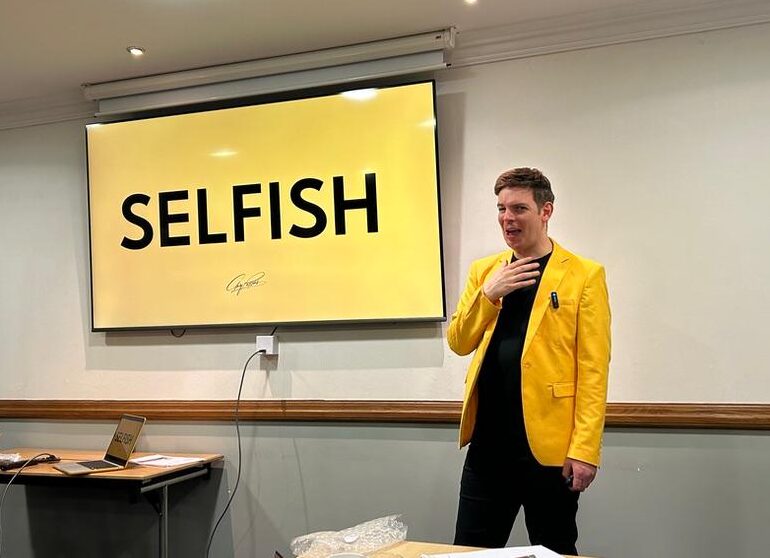
Being intentionally selfish about your own wellbeing is not a weakness. It is the foundation of sustainable high performance and effective leadership of others. That is not a soft idea – it’s the argument that over two years of research, dozens of leadership conversations, and my own experience sitting in a therapist’s chair have brought me to.
When I started making my own wellbeing non-negotiable – not occasionally, not when things got bad enough, but as a deliberate leadership practice – everything changed. My decisions got sharper, my team got more of me, and not less. I built a business that worked better precisely because I stopped trying to be the person holding all of it together.
That is what the data shows, too. The leaders who invest in their own capacity lead organisations that perform better. The 5% who act are not the outliers – they are the blueprint!
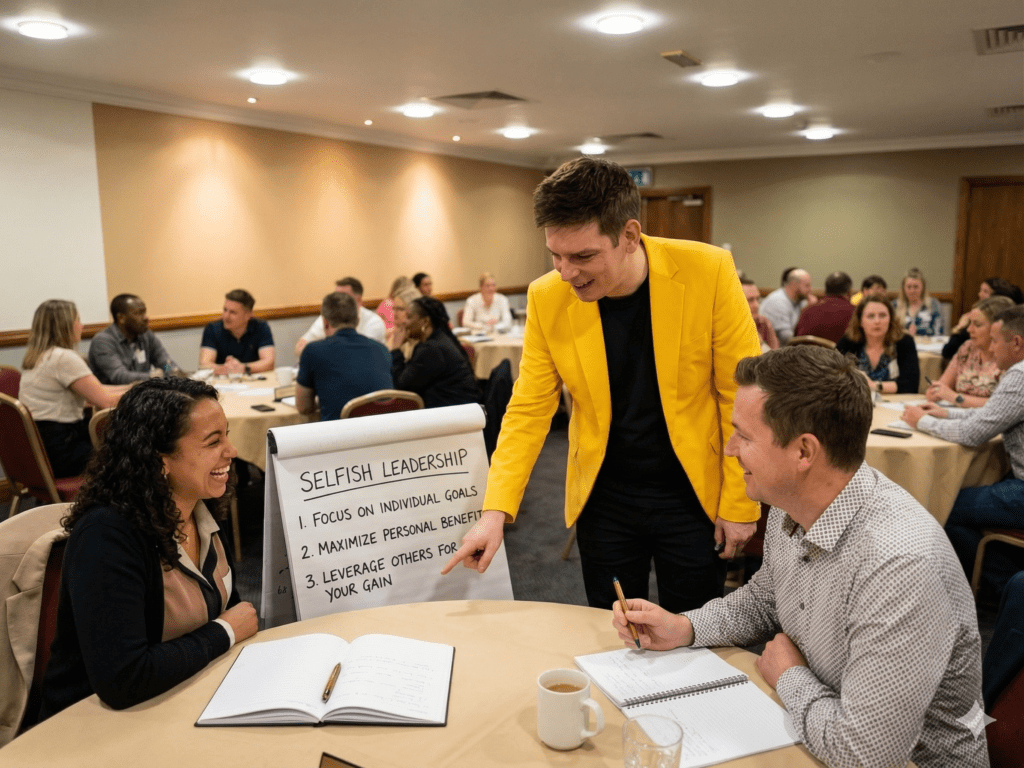
Mental Health Awareness Week is built around the idea that awareness is not enough, and I agree. The leaders I work with are not short of awareness – They know the pressure is building, that they are not operating at their best, and they know something has to give.
The question is whether they act before something gives, or after?
I waited until after… It cost me more than it needed to.
So here is the only question that matters this week. Not a programme, not a strategy – just this: what is the one thing you already know you should do, that you keep putting off?

Gary Parsons
https://garyparsons.ukGary Parsons is a Leadership Speakerand Business Mentor on a mission to redefine success in leadership. Drawing on his powerful SELF Framework, Gary helps leaders prioritise their own wellbeing because when leaders thrive, their teams do too. Through his talks, workshops, and mentoring, he equips leaders to set boundaries, elevate wellbeing, and lead with intention - proving that Selfish Leadership isn’t a weakness, it’s a strategy for sustainable growth. Reach out to explore how Gary can help your leaders perform better by putting themselves first, strategically.