Fire Horse Leadership: Performance Under Pressure
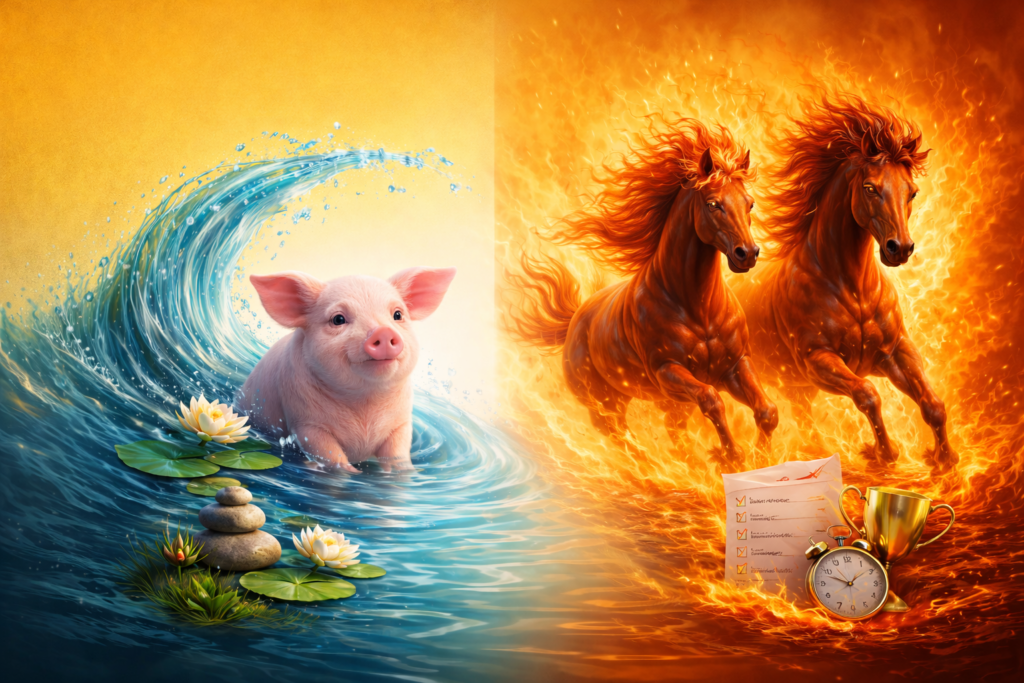
Today marks the beginning of the Year of the Fire Horse. Albeit, I’m not one – I’m a Water Pig. And before anyone rolls their eyes at zodiac signs in a leadership blog, stay with me. Whether you believe in astrology or not, the symbolism is useful. It gives us language for traits we see every day in boardrooms, scale-ups and professional services firms.
Chinese zodiac years rotate through 12 animals, and each year is also paired with one of five elements – Fire, Water, Wood, Metal and Earth. That creates a 60-year cycle. So you don’t just get a Horse year, you get a Fire Horse, a Water Horse, an Earth Horse and so on. The element intensifies or moderates the animal’s characteristics.
This year is Fire Horse, and so far, I’m seeing that leaders love that energy!
Fire Horse traits and leadership under pressure
In traditional Chinese astrology, the Horse symbolises independence, drive, movement and boldness. Add Fire and those traits amplify:
- High energy
- Competitive instinct
- Visible ambition
- Action orientation
- Restlessness
- Strong belief in their cause
- … Sound familiar?
Most of the founders and senior leaders I work with are wired like this, whether they were born in a Horse year or not. They move fast, they believe strongly, they want to perform, and they want to win. That fire is not a flaw – It’s fuel.
Research backs this up. Studies on high-performing leaders consistently show traits like achievement drive, confidence and resilience as predictors of career progression and business growth. A 2021 meta-analysis in the Journal of Applied Psychology linked conscientiousness and achievement orientation to improved performance outcomes. Ambition matters.
But here’s the other side – Research from the World Health Organisation shows chronic workplace stress and sustained high pressure significantly increase burnout risk, impair decision-making and reduce long-term productivity. Harvard Business Review has repeatedly published findings showing that sleep deprivation and cognitive overload reduce judgment quality and increase error rates in leaders.
What Water, Earth, Wood and Metal remind us
Chinese philosophy doesn’t elevate one element above the others. Each element carries strengths and shadows:
- Fire is drive and visibility
- Water is depth and adaptability
- Earth is stability and responsibility
- Wood is growth and expansion
- Metal is structure and discipline
When translated into leadership, and work environments, we see:
- A Water type leader may be reflective, intuitive, emotionally intelligent. But without boundaries, they over-give and absorb too much.
- An Earth type leader may be dependable and grounded. But under pressure, they carry the weight of the organisation on their shoulders.
- A Metal type leader may bring clarity and standards. But in excess, they become rigid.
- A Wood type leader may drive growth and innovation. But they can overextend.
- And a Fire type leader can inspire and energise. But too much Fire leads to volatility and exhaustion.
When I say I’m a Water Pig, I’m not making a mystical claim; I’m recognising a pattern. We know that generosity without boundaries becomes exhaustion, as well as commitment without recovery becomes resentment.
What I see in leaders every week
I’ve been talking about Selfish Leadership for nearly two years now. Not as a day one idea, but as something forged through experience.
I see leaders under relentless pressure:
- Revenue targets
- Regulatory strain
- Team wellbeing
- Investor expectations
- Public visibility
They tell me they thrive under pressure, and many of them genuinely do, but let’s be clear that pressure and performance are not the same thing.
The fire that helps them perform is often the same fire that keeps them answering emails at 10.30pm, replaying decisions at 3am and saying yes when their capacity is already stretched. Performance under pressure becomes identity, and that’s where the trap lies.
Research on identity fusion and over-identification with work shows that when leaders tie their self-worth too tightly to performance, they struggle to disengage. Recovery drops, cognitive flexibility narrows, and stress reactivity increases. I don’t need a journal article to see that. I see it in mentoring sessions every week.
A note from the saddle
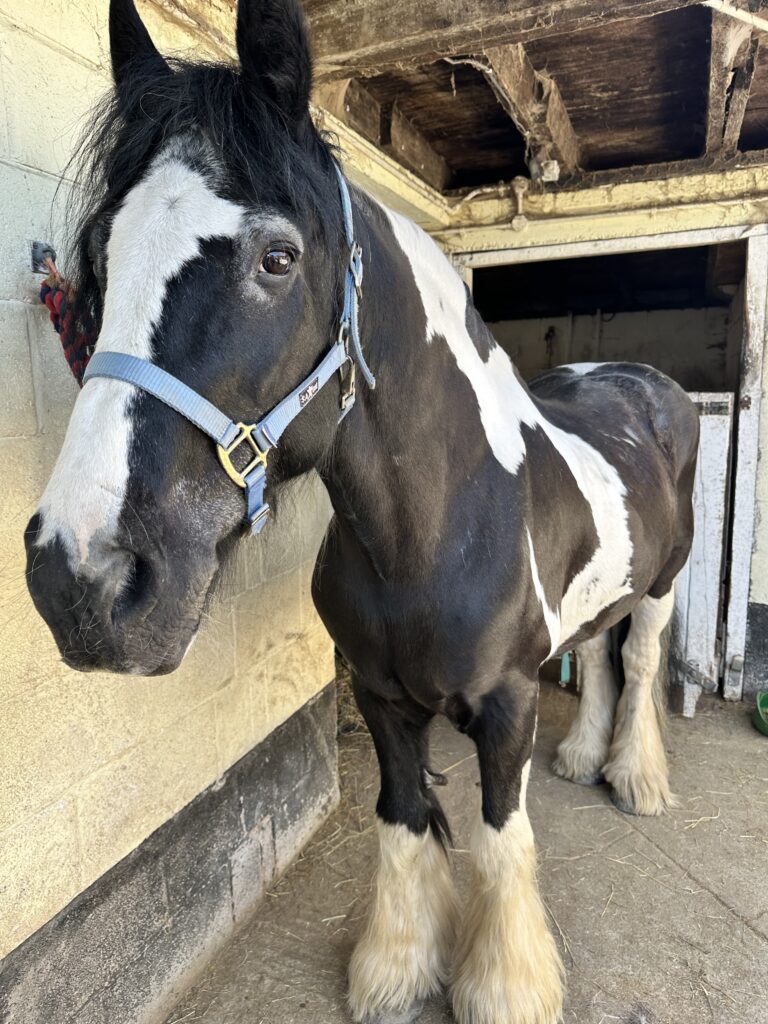
You may not know that I ride horses. And, if you’ve ever been around a powerful horse, you’ll know that fire is beautiful. It’s also dangerous if you don’t respect it.
A horse with spirit, speed and strength can carry you further and faster than you imagined. But if you push it constantly without rest, it doesn’t become more powerful. It becomes injured, anxious or resistant.
The best riders don’t suppress fire, they:
- regulate it
- train it
- channel it
- give it space to recover
Leadership is no different.
The Fire Horse energy many leaders resonate with is real. That drive to perform, to prove, to build something meaningful, to believe in something so strongly it keeps you going through setbacks. I respect that deeply.
But I also see what happens when it’s unmanaged. Fire builds, and water sustains.
Selfish Leadership is not about dampening ambition; it’s about sustaining it. It’s about recognising that being selfish in the right way, putting your wellbeing at the top of the list, is not indulgent. It is strategic.
There is growing evidence that leaders who prioritise recovery, emotional regulation and boundary setting improve team outcomes. Studies on emotionally intelligent leadership show higher engagement and lower turnover. Research on recovery experiences shows that psychological detachment from work improves performance the following day.
- When you prioritise your own capacity, your team benefits.
- When you protect your decision-making bandwidth, your organisation benefits.
- When you regulate your fire, your legacy benefits.
So as the Year of the Fire Horse begins, here’s my perspective:
- Burn bright
Believe strongly
Perform under pressure when it matters
But do not live permanently in Fire mode. Fire creates the spark, water sustains the journey, and if you want to lead for decades, not just quarters, you need both.
High performance is impressive, sustainable performance is powerful, and prioritising yourself is not selfish in the negative sense – it is selfish in the strategic sense. And that’s where real leadership lives.

Gary Parsons
https://garyparsons.ukGary Parsons is a Leadership Speakerand Business Mentor on a mission to redefine success in leadership. Drawing on his powerful SELF Framework, Gary helps leaders prioritise their own wellbeing because when leaders thrive, their teams do too. Through his talks, workshops, and mentoring, he equips leaders to set boundaries, elevate wellbeing, and lead with intention - proving that Selfish Leadership isn’t a weakness, it’s a strategy for sustainable growth. Reach out to explore how Gary can help your leaders perform better by putting themselves first, strategically.