Leadership in the Age of AI, Breaking Faster Than We’re Admitting
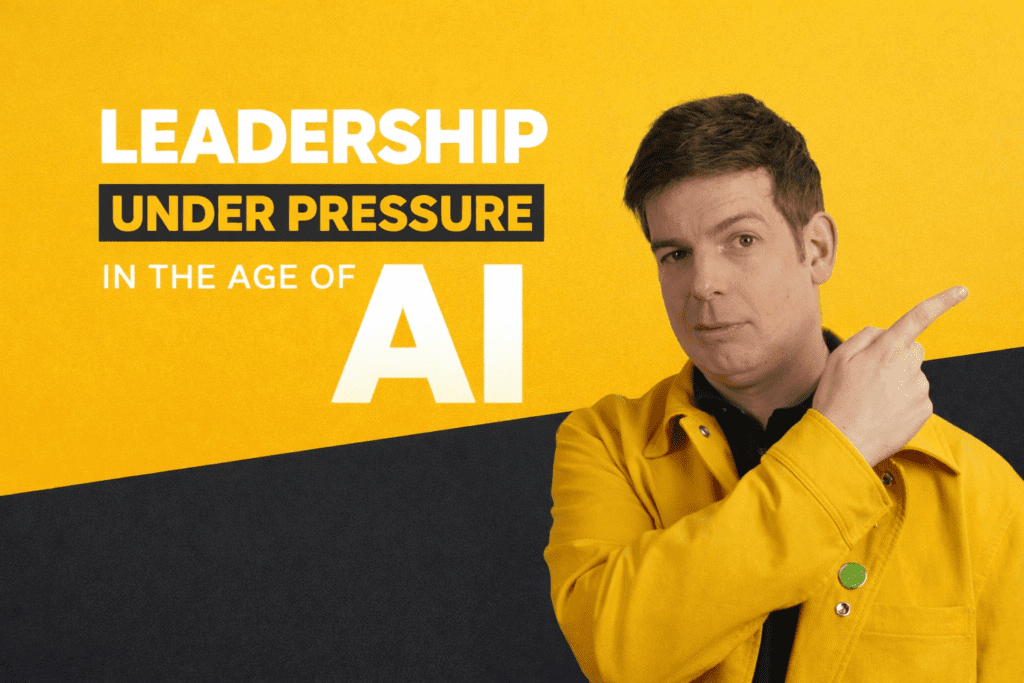
AI hasn’t reduced the load. It has intensified leadership pressure, and the evidence is now catching up.
For the last year, I’ve avoided talking about AI because many others have dominated our thinking, and what it means for the future. However, that very dominant narrative I mentioned has started to focus on productivity. Faster work, better outputs, fewer manual tasks, and more time for “higher value” thinking. It sounds compelling, and on the surface, it looks true.
But there’s a growing disconnect between what the AI narrative promises and what leaders are actually experiencing.
Behind closed doors, I’ve heard leaders not talk about time saved but the pressure it’s bringing. More decisions, more expectations, more responsibility, and less recovery. A sense of always being on, even when nothing urgent is happening.
This isn’t anecdotal anymore.
Recent large-scale organisational research, including studies published via Harvard Business Review, shows that generative AI doesn’t reduce work in practice, it intensifies it. People work faster, take on broader scopes of responsibility, extend work into more hours of the day, and blur boundaries between on and off, often without being asked to do so.
In other words, AI doesn’t remove pressure. It redistributes it, and leaders are absorbing the cost.
Why AI intensifies work instead of easing it
AI removes friction. That’s its power. But friction also used to create stopping points.
- When starting a task is easy, more tasks get started
- When answers are instant, decisions multiply
- When capability expands, responsibility quietly follows
Research now shows three consistent patterns emerging in AI-enabled workplaces:
- Task expansion – leaders and senior professionals step into work that previously sat elsewhere, simply because it’s now possible
- Boundary erosion – small prompts bleed into breaks, evenings, and downtime, reducing genuine recovery
- Cognitive overload – multiple parallel AI workflows increase context switching and decision fatigue
(Sources: Business Insider, RealSense, ResearchGate)
None of this feels negative in the moment. In fact, it often feels productive, even energising. That’s what makes it dangerous.
Over time, leaders report feeling more productive but not less busy, more capable but less clear, and constantly engaged without the sense of ever being finished.
This is not a technology failure, though; it’s a leadership sustainability problem.
Why this becomes a leadership and wellbeing issue, not an IT one
AI doesn’t make leadership easier; it raises the stakes. Judgement, ethics, prioritisation, and decision quality don’t come from algorithms. They come from humans who have the capacity to think clearly under pressure.
When leaders are overloaded, depleted, or permanently reactive, AI doesn’t enhance leadership. It accelerates mistakes, shortens tempers, and weakens discernment.
The research is already pointing to the downstream risks:
- Rising cognitive fatigue
- Weakened decision quality
- Increased burnout
- Higher turnover in high-pressure roles
(Sources: Harvard Business Review, Entrepreneur Magazine)
Yet the dominant response is still, “leaders will adapt”.
This is the same myth leadership has lived under for decades, now supercharged by AI. More tools, more expectations, and the same human limits underneath.
The leaders who struggle most in the AI era won’t be the least intelligent or capable. They’ll be the ones who never stop long enough to notice that acceleration is costing them clarity.
Why most AI conferences are missing the real conversation
Attend most AI or innovation conferences and you’ll hear about tools, trends, and transformation. What you won’t hear enough about is the human bottleneck.
AI can scale output infinitely but leaders cannot.
The real question organisations should be asking isn’t
“How fast can we adopt AI?
Instead, it’s
“What condition do our leaders need to be in to lead well once we do?”
That’s the missing conversation at most AI-led events, and it’s why leadership and wellbeing can no longer be side stages in technology conferences. They are central to whether AI adoption succeeds or quietly erodes performance.
Why I speak about AI, leadership, and pressure together
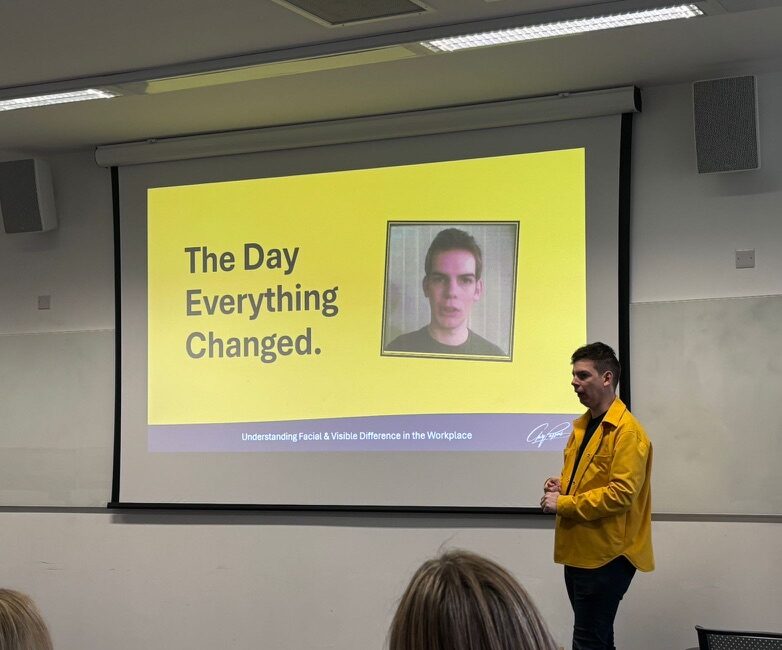
I didn’t set out to become an “AI speaker”. I work with leaders under pressure, and AI has become the fastest accelerator of that pressure I’ve seen.
That’s why I developed the keynote “Leadership Under Pressure in the Age of AI”
Not to explain the technology, but to address its consequences.
The keynote is designed for leadership and AI conferences where the room already understands the tools but hasn’t yet had the human conversation. It explores:
- Why AI intensifies leadership pressure rather than relieving it
- How productivity gains can mask unsustainable intensity
- The relationship between wellbeing, judgement, and performance in AI-accelerated environments
- What sustainable leadership looks like when work never naturally pauses
This isn’t about slowing progress. It’s about protecting decision quality, leadership capacity, and long-term performance in a world that won’t slow down for us.
The leadership challenge AI cannot solve
- AI can generate answers. It cannot decide what matters.
- It can analyse options. It cannot hold ethical tension.
- It can accelerate work. It cannot tell a leader when to stop.
That responsibility still sits with humans, and it depends entirely on their capacity to think clearly under pressure.
AI will keep advancing. The pace will continue to increase. The organisations that succeed won’t just be the most technologically capable. They’ll be the ones whose leaders remain clear, grounded, and fit to decide.
In the age of AI, leadership isn’t about being faster.
It’s about being well enough to lead wisely.

Gary Parsons
https://garyparsons.ukGary Parsons is a Leadership Speakerand Business Mentor on a mission to redefine success in leadership. Drawing on his powerful SELF Framework, Gary helps leaders prioritise their own wellbeing because when leaders thrive, their teams do too. Through his talks, workshops, and mentoring, he equips leaders to set boundaries, elevate wellbeing, and lead with intention - proving that Selfish Leadership isn’t a weakness, it’s a strategy for sustainable growth. Reach out to explore how Gary can help your leaders perform better by putting themselves first, strategically.